
Every Morning at 7

Every Morning at Seven
I was always a daddy’s girl.
When I was little, I would sneak into my parents’ bedroom before the rest of the house had woken. My father, like me, was an early riser. My mother most definitely was not. I’d tiptoe to his side of the bed, tug gently on his arm and whisper, “Daddy, come play with me.”
Without complaint, he would get up, and we’d spend the morning together until everyone else finally emerged.
Nearly forty years later, I found myself repeating that same morning ritual—but everything had changed.
Every morning at seven, I would walk into my father’s apartment. I would wake him, make his coffee, empty and check his colostomy bag, lay out his medications, and make sure he took them. We’d sit together while I told him the news of the day. Then I would kiss him on the forehead and head off to work.
Somewhere along the way, the child had become the parent.
My father died in August 2025. In the last three years of his life, I was his primary caregiver. My father was fiercely independent. Even as cancer slowly took pieces of him away, he insisted on living life on his own terms. He believed he had earned the right to make bad decisions if he wanted to. Sometimes that meant drinking one scotch too many. Sometimes it meant spending thousands of dollars self-publishing a cookbook that almost certainly wouldn’t make him any money. It didn’t matter. As he liked to remind me, “It’s my life.”
And he intended to live it exactly as he chose. He filled his days with books, debates about politics, long conversations over coffee, and dreams of his next project. Even after cancer, he was convinced there was another cookbook to write, another football match to watch, another trip to France to plan. Illness never became his identity, and he refused to let it define how he saw himself.
Caregiving didn’t begin with a diagnosis.
It began with grief.
When my stepmother died in December 2021 after more than twenty-five years of marriage, my father lost the person he had expected to grow old with. They had known each other since childhood, and I don’t think he believed—even as she took her last breath—that he would outlive her.
At first, I simply spent Saturday evenings with him. We’d have dinner, watch a movie, and I’d stay the night. Then we spent a month together in France in the summer of 2022, wandering museums, cafés and the places he loved.
Looking back, that was the last time life felt normal.
My brother got married in July and everyone got covid, my dad was especially hard hit. I took care of his dog and went back and forth from my place to his to make sure he was doing ok almost every day. He was not ok, a few months later he fell, unable to feel his legs and was taken by ambulance to the hospital, later it was revealed he had a reoccurrence of cancer. He had surgery and came home.
I was working full time at this point, but increasingly it was virtual. I had to pick him up and drop him off at appointments and make sure he had his medications and groceries. I was struggling with being present at work while also making the 30-minute drive almost every day to check on my father.
By May 2023 the situation was untenable. I moved into the apartment next to my dad and worked completely virtually so I could be present for him.
In the last year of his life my father would fall more frequently, he was forgetful, he was not eating, he began needing a nurse to come to the house to take care of him in the mornings and before bed. He was no longer able to drive. Stubbornly he refused to admit that anything was wrong, he didn’t want to consider a retirement community.
At this time, I also got a big job opportunity. A job that would require me being out of the house and in community a lot, one that would take up a considerable amount of my time, I was very excited for what this could mean for my career and I initially believed I could balance this with taking care of my father.
I wanted to believe I could do both.
I couldn’t.
I started my new position in May 2025. By July, I no longer had it.
My father needed more than I could give while also trying to build a career. He called four or five times every day. I drove him to appointments, to emergency rooms, to specialists who still couldn’t tell us what was happening. He fell in the middle of the night, and I’d rush next door to help him off the floor. I slept lightly because I never knew when the next call would come.
At the end of July he was diagnosed with brain cancer. He was moved to palliative care and he died August 19th in his sleep.
I do not for even one second regret the decision I made to take care of my father. I treasure every single second I was with him, every laugh, every dinner, every time I just sat on his bed with him and talked about the world. I miss him terribly.
It has also created a sort of identity crisis for me. For three years, I woke every morning knowing exactly where I needed to be and who needed me. My father’s appointments, medications, meals, and phone calls dictated the rhythm of my days. Then, almost overnight, that rhythm disappeared. Grief is strange because it isn’t just the loss of a person. Sometimes it’s the loss of the person you became while loving them.
When I was looking for work after being laid off, I struggled to explain the previous three years of my career. The truth was, my dad had become my job.
My story is deeply personal, but it is far from unique.
Across Canada, millions of women quietly become caregivers for aging parents, often without ever calling themselves one. They rearrange careers, postpone ambitions, sacrifice income, and carry an invisible emotional load because someone they love needs them.
More than half of Canadian women (52%) provided some form of caregiving in 2022, compared with 42% of men.
Among Canadians providing unpaid care to adults—often aging parents—74% reported negative impacts on their own health, including anxiety, depression, stress, and feeling overwhelmed. Women are also significantly more likely to reduce their work hours, decline promotions, take leaves of absence, or leave the workforce entirely because of caregiving responsibilities.
I do not regret a single moment.
If I had to make the choice again, I would still choose my father.
I would choose every seven o’clock morning, every cup of coffee, every conversation about politics and history, every forehead kiss before I left for work. I would choose all of it.
What I do regret is how invisible caregiving remains.
We celebrate promotions, degrees and professional accomplishments. We rarely acknowledge the daughters who quietly put careers on hold to care for the people who once cared for them. We don’t count the missed opportunities, the lost income, the interrupted résumés, or the emotional toll that follows long after the funeral.
Nearly a year later, I still wake up some mornings expecting to walk next door. For three years, my days revolved around my father’s needs. Then, suddenly, they didn’t. Losing him meant losing not only my dad, but a role that had come to define who I was.
Caregiving is an act of love. It is also labour—essential labour that our economy depends on and our society too often overlooks.
Because behind every statistic is a daughter who once tugged on her father’s arm and whispered, “Daddy, come play with me.
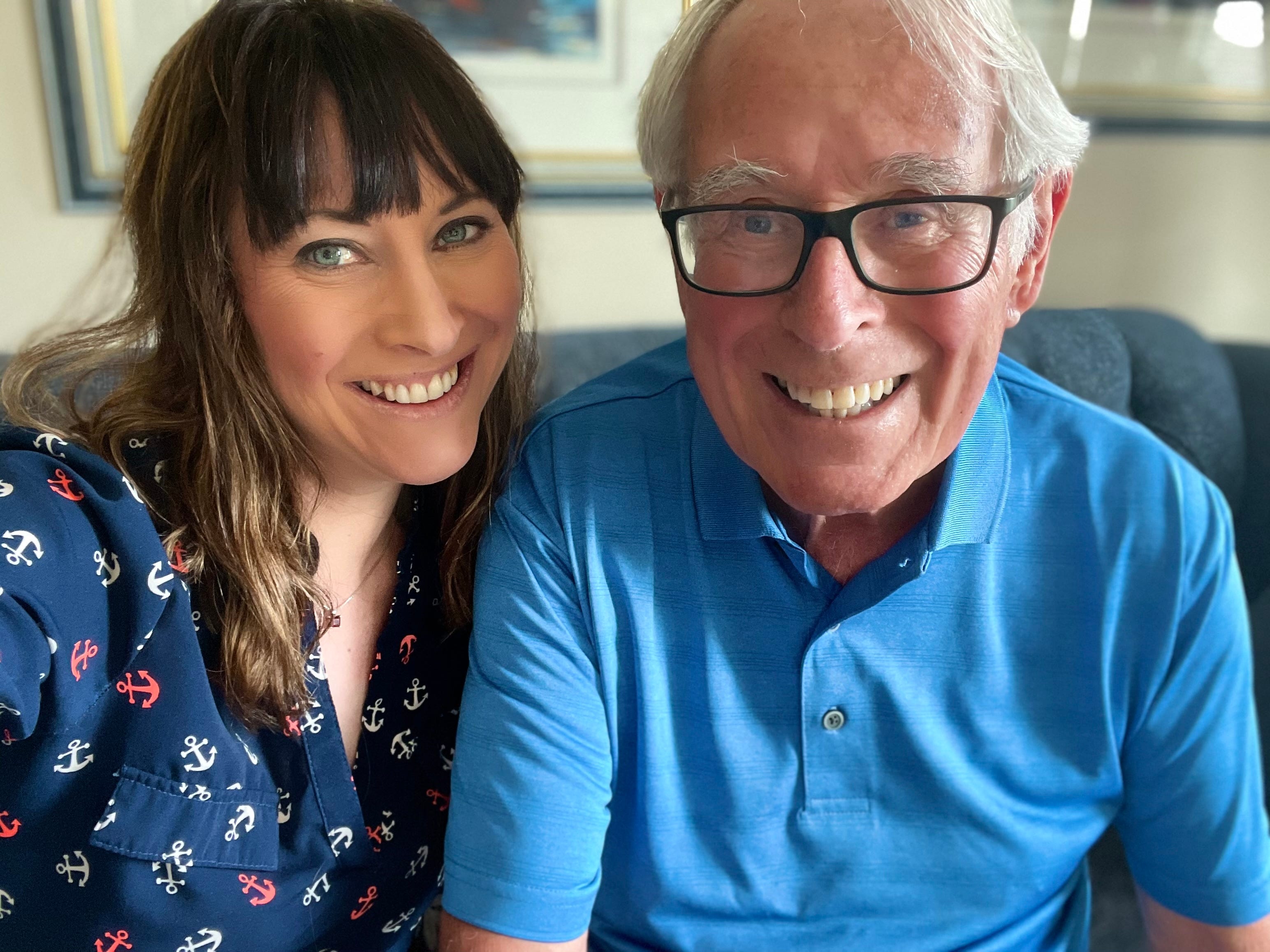
and we’d spend the morning together until everyone else finally emerged.
Nearly forty years later, I found myself repeating that same morning ritual—but everything had changed.
Every morning at seven, I would walk into my father’s apartment. I would wake him, make his coffee, empty and check his colostomy bag, lay out his medications, and make sure he took them. We’d sit together while I told him the news of the day. Then I would kiss him on the forehead and head off to work.
Somewhere along the way, the child had become the parent.
My father died in August 2025. In the last three years of his life, I was his primary caregiver. My father was fiercely independent. Even as cancer slowly took pieces of him away, he insisted on living life on his own terms. He believed he had earned the right to make bad decisions if he wanted to. Sometimes that meant drinking one scotch too many. Sometimes it meant spending thousands of dollars self-publishing a cookbook that almost certainly wouldn’t make him any money. It didn’t matter. As he liked to remind me, “It’s my life.”
And he intended to live it exactly as he chose. He filled his days with books, debates about politics, long conversations over coffee, and dreams of his next project. Even after cancer, he was convinced there was another cookbook to write, another football match to watch, another trip to France to plan. Illness never became his identity, and he refused to let it define how he saw himself.
Caregiving didn’t begin with a diagnosis.
It began with grief.
When my stepmother died in December 2021 after more than twenty-five years of marriage, my father lost the person he had expected to grow old with. They had known each other since childhood, and I don’t think he believed—even as she took her last breath—that he would outlive her.
At first, I simply spent Saturday evenings with him. We’d have dinner, watch a movie, and I’d stay the night. Then we spent a month together in France in the summer of 2022, wandering museums, cafés and the places he loved.
Looking back, that was the last time life felt normal.
My brother got married in July and everyone got covid, my dad was especially hard hit. I took care of his dog and went back and forth from my place to his to make sure he was doing ok almost every day. He was not ok, a few months later he fell, unable to feel his legs and was taken by ambulance to the hospital, later it was revealed he had a reoccurrence of cancer. He had surgery and came home.
I was working full time at this point, but increasingly it was virtual. I had to pick him up and drop him off at appointments and make sure he had his medications and groceries. I was struggling with being present at work while also making the 30-minute drive almost every day to check on my father.
By May 2023 the situation was untenable. I moved into the apartment next to my dad and worked completely virtually so I could be present for him.
In the last year of his life my father would fall more frequently, he was forgetful, he was not eating, he began needing a nurse to come to the house to take care of him in the mornings and before bed. He was no longer able to drive. Stubbornly he refused to admit that anything was wrong, he didn’t want to consider a retirement community.
At this time, I also got a big job opportunity. A job that would require me being out of the house and in community a lot, one that would take up a considerable amount of my time, I was very excited for what this could mean for my career and I initially believed I could balance this with taking care of my father.
I wanted to believe I could do both.
I couldn’t.
I started my new position in May 2025. By July, I no longer had it.
My father needed more than I could give while also trying to build a career. He called four or five times every day. I drove him to appointments, to emergency rooms, to specialists who still couldn’t tell us what was happening. He fell in the middle of the night, and I’d rush next door to help him off the floor. I slept lightly because I never knew when the next call would come.
At the end of July he was diagnosed with brain cancer. He was moved to palliative care and he died August 19th in his sleep.
I do not for even one second regret the decision I made to take care of my father. I treasure every single second I was with him, every laugh, every dinner, every time I just sat on his bed with him and talked about the world. I miss him terribly.
It has also created a sort of identity crisis for me. For three years, I woke every morning knowing exactly where I needed to be and who needed me. My father’s appointments, medications, meals, and phone calls dictated the rhythm of my days. Then, almost overnight, that rhythm disappeared. Grief is strange because it isn’t just the loss of a person. Sometimes it’s the loss of the person you became while loving them.
When I was looking for work after being laid off, I struggled to explain the previous three years of my career. The truth was, my dad had become my job.
My story is deeply personal, but it is far from unique.
Across Canada, millions of women quietly become caregivers for aging parents, often without ever calling themselves one. They rearrange careers, postpone ambitions, sacrifice income, and carry an invisible emotional load because someone they love needs them.
More than half of Canadian women (52%) provided some form of caregiving in 2022, compared with 42% of men.
Among Canadians providing unpaid care to adults—often aging parents—74% reported negative impacts on their own health, including anxiety, depression, stress, and feeling overwhelmed. Women are also significantly more likely to reduce their work hours, decline promotions, take leaves of absence, or leave the workforce entirely because of caregiving responsibilities.
I do not regret a single moment.
If I had to make the choice again, I would still choose my father.
I would choose every seven o’clock morning, every cup of coffee, every conversation about politics and history, every forehead kiss before I left for work. I would choose all of it.
What I do regret is how invisible caregiving remains.
We celebrate promotions, degrees and professional accomplishments. We rarely acknowledge the daughters who quietly put careers on hold to care for the people who once cared for them. We don’t count the missed opportunities, the lost income, the interrupted résumés, or the emotional toll that follows long after the funeral.
Nearly a year later, I still wake up some mornings expecting to walk next door. For three years, my days revolved around my father’s needs. Then, suddenly, they didn’t. Losing him meant losing not only my dad, but a role that had come to define who I was.
Caregiving is an act of love. It is also labour—essential labour that our economy depends on and our society too often overlooks.
Because behind every statistic is a daughter who once tugged on her father’s arm and whispered, “Daddy, come play with me.